
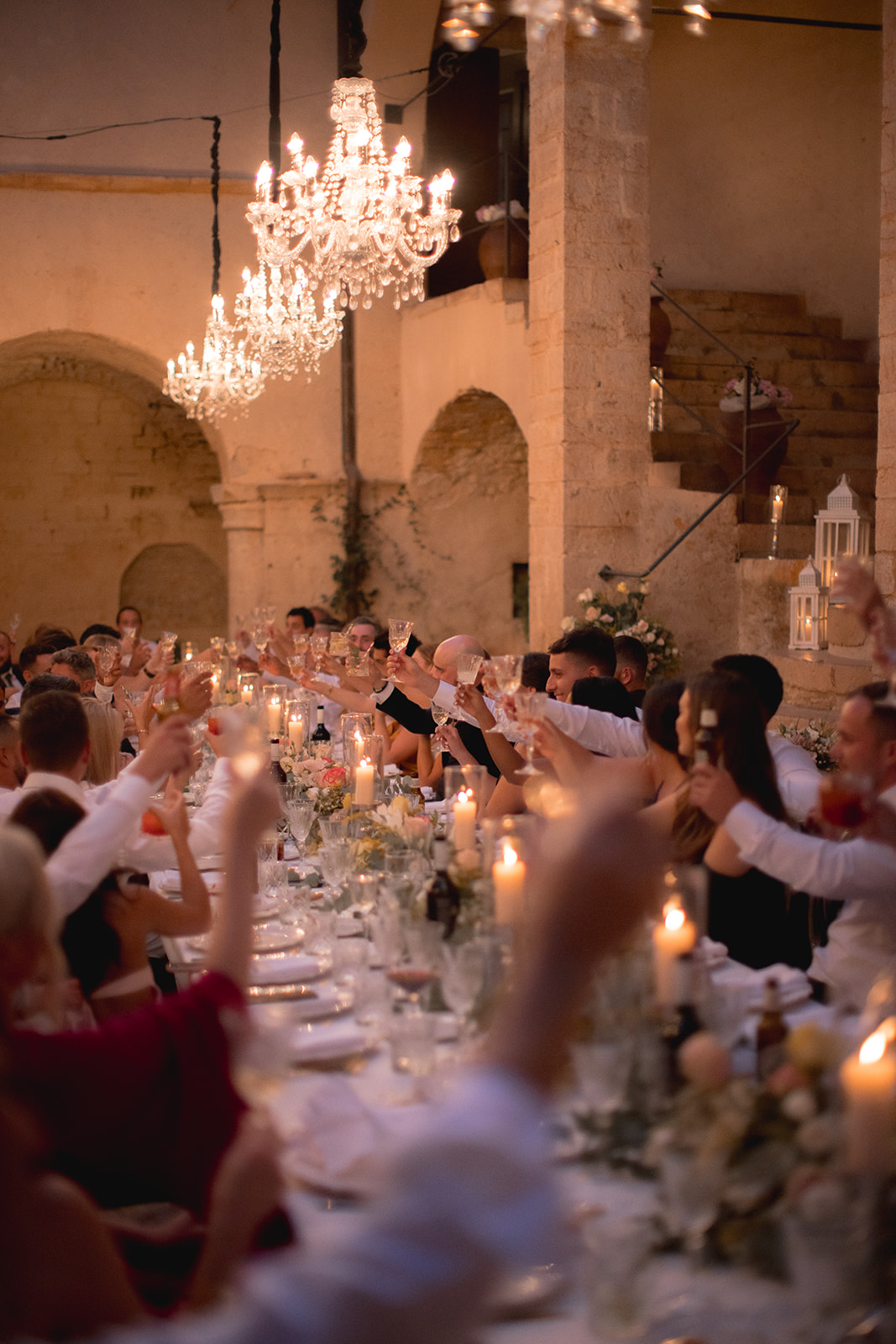
An English-Speaking Guide to Your Destination Wedding
A Tuscany wedding planner who's actually Italian — not a foreign agency subcontracting the work to someone local — is the single biggest factor in whether your wedding day runs on schedule. Italian Knot's founder Roberta has planned Tuscany weddings for over a decade from her base an hour away in Umbria.
Why Tuscany Still Tops Every Couple's List
You've seen the cypress-lined driveways in a hundred wedding photos before you ever booked a flight. Tuscany earned that reputation honestly — but it's also the most competitive, most photographed wedding region in Italy, which means venues, vendors, and even good weather dates get claimed early.
A Tuscany wedding planner's real job is navigating that competition on your behalf: securing a venue before it's gone, negotiating vendor availability in a market where the best florists and photographers are booked a year out, and doing it all in Italian, then translating it back to you clearly.
Get a personalized wedding quote → italianknot.it/wedding-planning-quote
Finding an English-Speaking Wedding Planner in Tuscany
Plenty of Tuscany venues have English-speaking staff. Far fewer have an English-speaking planner who is also fluent in Italian contract law, vendor negotiation, and the unwritten etiquette of working with family-run estates.
That gap matters most in the details: a venue contract clause about weather contingencies, a florist's payment schedule, a caterer's dietary accommodation policy. Roberta's bilingual team handles every one of those conversations directly, so nothing is lost in translation between a verbal agreement and what's actually enforceable on paper.
Best Venues for a Wedding in Tuscany
Tuscany's venues span a wide range, and matching the venue to your guest list matters as much as matching it to your aesthetic:
Chianti and Val d'Orcia villas — the classic image of Tuscany, with vineyard views and stone farmhouse architecture, best for 50–150 guests.
Florence and Siena estates — closer to major cities, better for guests who want to combine the wedding with sightseeing, though venues here book faster and cost more.
Countryside agriturismos — working farms converted for events, offering a more rustic, lower-cost alternative without sacrificing the Tuscan setting.
Getting Legally Married in Tuscany
Most international couples marrying in Tuscany choose a symbolic ceremony and finalize legal paperwork in their home country, avoiding the residency and documentation timeline Italian civil law requires of foreign nationals. A legally binding ceremony is also an option, typically requiring 3–6 months of lead time for the Nulla Osta and translated documents.
When to Get Married in Tuscany
Tuscany's wedding season runs April through October, with real differences month to month:
- April–May: wildflowers and poppy fields, mild temperatures, fewer crowds than summer.
- September–October: grape harvest across Chianti, warm days, and Tuscany's most requested light for photography.
- June–August: peak demand and peak heat — plan for shaded ceremony timing and later start times.
A Real Tuscany Wedding: What Planning Looked Like
Michael and Jessica booked a multi-day wedding weekend in the Val d'Orcia, with guests flying in from three countries. Roberta's team handled villa logistics, a welcome dinner, the ceremony, and guest transport between towns, coordinating each piece so the couple's only responsibility was showing up to each event. That's the standard for every Italian Knot wedding — no templated packages, one point of contact, and a plan built entirely around the couple's own guest list and vision.
Final Thoughts
Tuscany's popularity is its own challenge — the region rewards couples who start early and work with a planner who can move fast on venue holds and vendor contracts before someone else does. If Tuscany is the dream, timing the search matters as much as the destination itself.
Tell us your love story → hello@italianknot.it or WhatsApp +1 212-837-8682
Tuscany Wedding Planner FAQs
How much does a wedding planner in Tuscany cost?
Pricing depends on guest count, venue category, and season rather than a flat rate — Italian Knot builds a custom proposal for each couple. Because Tuscany is Italy's most in-demand wedding region, venue and vendor costs generally run higher here than in neighboring Umbria.
Do I need an English-speaking wedding planner in Tuscany?
You don't strictly need one, but it removes significant risk. Contracts, vendor negotiations, and legal paperwork are conducted in Italian. A planner fluent in both languages and based in Italy — not remotely subcontracting — makes sure nothing gets lost between agreement and execution.
How far in advance should I book a Tuscany wedding planner?
For peak season dates (June–August- September) and the most sought-after villas, 12–18 months ahead is standard. Shoulder-season dates in April, May, and October offer somewhat more flexibility, sometimes bookable 8–12 months out.
Is Tuscany more expensive than other Italian wedding regions?
Generally yes. Tuscany's name recognition drives higher demand for venues, florists, and photographers compared to neighboring regions like Umbria, which offers similar scenery at typically lower cost.
What's the best month to get married in Tuscany?
May and September are widely considered the best balance of weather, light, and lower crowds than peak summer. September adds the visual bonus of the grape harvest across Chianti's vineyards.