
Your Guide to a Destination Wedding in Southern Italy
A Sicily wedding planner — and, further north along the heel of Italy, an Apulia wedding planner — is working with a completely different vendor network than Tuscany or Umbria. Southern Italy's wedding infrastructure is younger, its venues are less standardized, and its regional differences matter more than most couples expect. Italian Knot has planned weddings across both regions for over a decade.
Why Sicily and Apulia Are Rising Destination Wedding Choices
You've noticed Puglia's whitewashed trulli and Sicily's Baroque coastal towns showing up more often in wedding features — that's not a coincidence. Both regions offer dramatic, unrepeated scenery at a lower cost than Tuscany or the Amalfi Coast, without the same venue scarcity.
The tradeoff is a less mature wedding-vendor network compared to central & north Italy — fewer florists and photographers specialize in destination weddings. But the right planner turns this into an opportunity, not a limit: there are countless talented local artists who bring something genuinely unique to your wedding. And increasingly, vendors from more established regions are willing to travel to Sicily and Apulia for the right celebration.
Get a personalized wedding quote → italianknot.it/wedding-planning-quote
Sicily: Baroque Towns and Coastal Estates
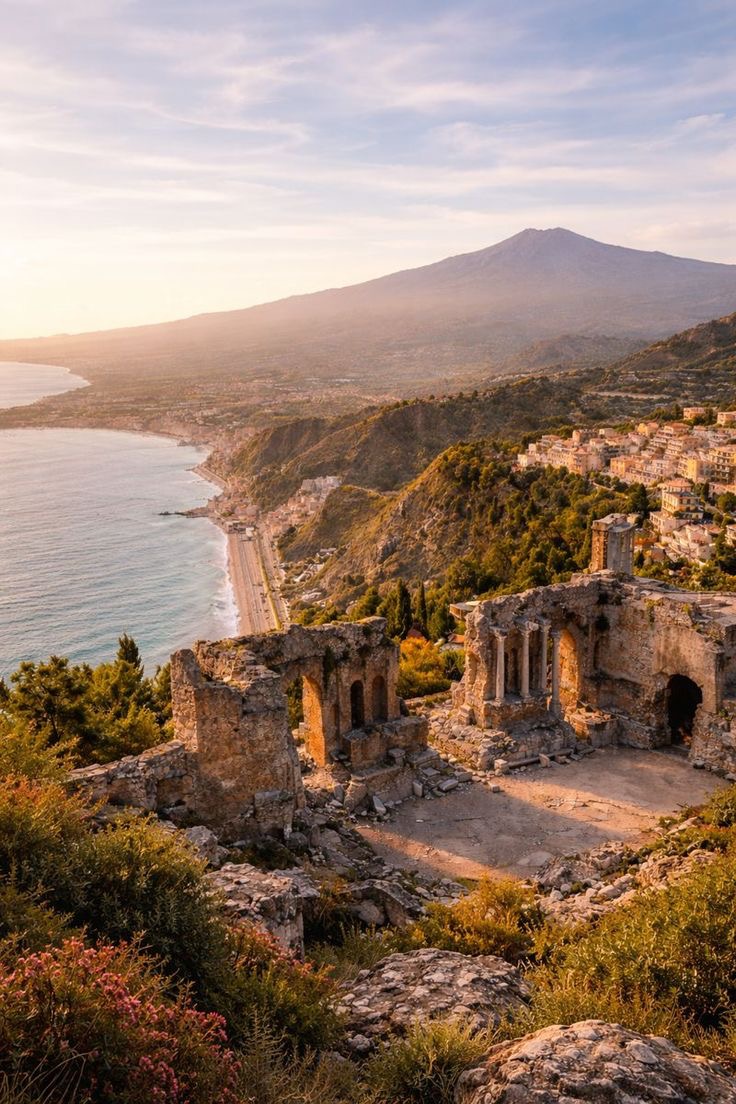
Sicily's wedding venues cluster around a few distinct settings: Baroque hill towns like Noto and Ragusa, coastal estates near Taormina with Mount Etna as a backdrop, and countryside masserie (fortified farmhouses) further inland.
Taormina draws the most international attention for its clifftop views, but it also carries the region's highest venue costs and heaviest summer tourist traffic. Inland Baroque towns and countryside masserie offer comparable architectural drama at a noticeably lower price, with far fewer other travelers in your wedding photos.
Apulia (Puglia): Trulli, Masserie, and Olive Groves
Apulia's signature venue is the masseria — a fortified countryside farmhouse, often surrounded by centuries-old olive groves, converted for weddings and multi-day stays. The region's trulli (conical stone huts unique to the Itria Valley) also serve as ceremony backdrops and guest accommodations.
Coastal towns like Polignano a Mare offer cliffside ceremony spots directly above the Adriatic, while the countryside interior offers lower costs and quieter, more private settings.
Getting Legally Married in Sicily or Apulia
As in the rest of Italy, most international couples choose a symbolic ceremony in Sicily or Apulia and complete legal paperwork in their home country — avoiding the residency requirements a legally binding Italian ceremony imposes on foreign nationals. A legally binding ceremony remains an option, typically requiring 3–6 months for the Nulla Osta and document translation depending on nationality. The U.S. Department of State's guidance on marrying abroad is a reasonable starting reference, though your planner should confirm current requirements with the specific comune.
When to Get Married in Sicily or Apulia
Both regions run warmer, longer wedding seasons than northern and central Italy:
- April-May–June and late September–October: the most requested windows — warm without the peak summer heat both regions see inland.
- July–August: highest temperatures of any Italian wedding region — manageable with evening ceremony timing and shaded reception spaces, but worth planning around.
- Coastal breeze: both Sicily's Ionian coast and Apulia's Adriatic coastline moderate summer heat better than inland countryside venues.
What Planning With Italian Knot Looks Like Here
Roberta's team vets vendors in both regions directly — florists who've worked masserie weddings before, photographers familiar with Baroque architecture's specific lighting challenges, and transport coordinators who know which coastal roads close for local festivals in peak season. One point of contact, bilingual throughout, and no templated packages — just a plan built around your guest list and the region's actual calendar.
Final Thoughts
Sicily and Apulia reward couples chasing scenery that still feels undiscovered — But both regions demand a planner who already has vetted vendors on the ground — vendors who understand the high standards international clients expect and the specific requirements a destination wedding calls for.
Tell us your love story → hello@italianknot.it or WhatsApp +1 212-837-8682
Sicily & Apulia Wedding Planner FAQs
Is Sicily or Apulia cheaper for a destination wedding than Tuscany?
Generally yes. Both regions offer comparable architectural and scenic drama to Tuscany's countryside at a lower overall cost, largely due to a less saturated wedding-tourism market — though the tradeoff is fewer specialized wedding vendors to choose from.
What is a masseria wedding in Apulia?
A masseria is a fortified countryside farmhouse, common throughout Puglia, often surrounded by olive groves and converted for multi-day wedding events. Many offer on-site guest accommodation, making them popular for wedding weekends rather than single-day ceremonies.
Can foreigners get legally married in Sicily?
Yes, with proper documentation including a Nulla Osta and, depending on nationality, apostilled and translated civil documents. Most international couples instead choose a symbolic ceremony in Sicily and complete the legal process in their home country for simplicity.
How far in advance should I book a Sicily or Apulia wedding planner?
6–12 months ahead is generally sufficient for both regions — shorter than the 12–18 months often needed for Tuscany or Lake Como, reflecting a less saturated venue and vendor market.
What's the best time of year for a wedding in Sicily or Apulia?
Late April through June and late September through October offer the best balance of warm weather and manageable heat. Both regions' coastal towns moderate summer temperatures better than their inland countryside venues.